Best Places to Buy Cheap Ammunition Without Sacrificing Quality
Shooters who want to stay proficient without draining their wallet find that cheap ammunition delivers reliable function for routine practice sessions. Manufactured with cost-effective materials and streamlined processes, this ammo cycles standard firearms consistently, though it may group slightly wider than premium loads. By reducing per-round expense, it allows you to fire more frequently, building muscle memory and trigger control that 5.7x28mm Ammo for Sale translate directly to better accuracy with defensive or match-grade cartridges. For most plinking and training drills, it offers a practical way to get meaningful trigger time without sacrificing safety or fundamental performance.
What Actually Counts as Budget-Friendly Ammo Without Sacrificing Performance?
Budget-friendly ammo that doesn’t sacrifice performance means prioritizing **consistency over cost-per-round alone**. Cheap ammunition fails when velocity spreads exceed 50 fps or group sizes open past 2 inches at 100 yards—that’s lost performance, not savings. Look for remanufactured or bulk-purchase options from reputable loaders who use virgin brass and quality powders, not mystery pulls. For practice, a 115-grain FMJ from a known brand like S&B or Magtech beats an unknown surplus lot that keyholes. Test a box of 50 before buying 1,000; if point-of-impact shifts less than 1 inch from your carry ammo, it qualifies. Q&A: *Is steel-case ammo budget-friendly without performance loss?* Only for plinking inside 25 yards—its primer hardness and bimetal jacket wear 7.62×39 Ammo for Sale barrels faster, so accuracy degrades quicker than with brass. The real threshold: if you can’t hold a 3-inch group at 25 yards, it’s not budget-friendly—it’s waste.
How to Compare Price Per Round vs. Overall Quality for Your Firearm
To compare price per round against overall quality, first calculate the true cost by dividing bulk purchase totals by count, then factor in shipping and taxes to see the real per-shot figure. Next, shoot a small sample (50–100 rounds) through your specific firearm, tracking malfunctions like failures to feed or extract, and record group sizes at 25 yards for accuracy. Weigh the savings of bargain brands against the risk of fouling, which accelerates cleaning and part wear. A logical sequence: calculate true cost per round, test reliability, assess accuracy, then inspect spent casings for pressure signs. If a cheap option causes even one malfunction per magazine, the price advantage vanishes compared to premium practice ammo.
- Compute per-round cost after shipping and taxes, not shelf price.
- Test 50–100 rounds for malfunctions and measure accuracy at fixed distance.
- Compare fouling levels and case integrity to decide if savings offset cleaning time or barrel wear.
The Real Difference Between Remanufactured, New, and Surplus Loads
New ammo means factory-fresh brass, primers, and powder—consistent and reliable, but you pay full retail for that predictability. Surplus loads are military overruns or aged stock, often corrosive-primed and inconsistent in velocity, yet dirt-cheap and perfect for plinking steel or burning through a range bag. Remanufactured rounds take fired brass, re-inspect it, and reload it with fresh components—giving you near-new accuracy at a steeper discount than new, but you must vet the loader’s QC. The real trap is assuming surplus is “just as good”; it’s not, and corrosive salts demand immediate cleaning. For budget shooting, remanufactured ammo often delivers the best performance-to-price balance if you stick with reputable brands.
Q: Is the real difference between remanufactured, new, and surplus loads just price?
A: No—it’s reliability and component condition. New guarantees uniformity. Surplus risks age-related degradation and corrosive primers. Remanufactured sits between: fresh powder and primers, but reused brass that may have hidden case weakness, so inspect every round or trust a brand with a warranty.
Which Calibers Offer the Lowest Cost Per Shot for Regular Practice?
For regular practice, the lowest cost per shot almost always comes from rimfire calibers, with **cheap ammunition** in .22 Long Rifle being the undisputed king. A box of bulk .22 LR often costs less than a single box of defensive 9mm, letting you burn through hundreds of rounds for pocket change. If you need a centerfire option for trigger consistency, 9mm is the best budget-friendly step up, especially when buying steel-cased or remanufactured loads. For pure volume, you can also look at .22 Magnum or .380 ACP, but they rarely match .22 LR’s rock-bottom price. That’s why most shooters keep a .22 pistol or rifle in the safe—it’s the only way to get meaningful **lowest cost per shot for regular practice** without draining your wallet.
Why 9mm, .22 LR, and .223 Remington Dominate the Savings Curve
The savings curve for regular practice is defined by production scale and material efficiency, and 9mm, .22 LR, and .223 Remington dominate because they are manufactured in volumes that drastically lower per-unit cost. The .22 LR uses minimal lead and brass, making it the absolute floor for trigger time. The 9mm benefits from massive military and law enforcement contracts, which keeps pistol ammunition priced far below less common calibers. The .223 Remington rides the same industrial wave for rifles, with its light projectile and case design reducing raw material use while enjoying relentless commercial demand. Each round’s popularity creates a feedback loop: higher sales mean cheaper machinery amortization and tighter profit margins, which no niche caliber can match.
Q: Why do these three calibers sit at the bottom of the cost-per-shot curve?
A: Because their market share is so large that manufacturers compete fiercely on price, and their component weight is low enough to minimize copper, lead, and brass costs — a combination that .380 ACP, .45 ACP, or 6.5 Creedmoor simply cannot replicate at the same price point.
When Choosing a Less Common Caliber Works Against Your Wallet
When prioritizing lowest cost per shot for regular practice, choosing a less common caliber often backfires financially. Obscure cartridges like .327 Federal Magnum or 5.45×39mm have limited production runs, so manufacturers don’t benefit from economies of scale, keeping per-round prices high. You also face sparse retailer competition, eliminating the price wars that drive down costs .17 HMR Ammo for Sale for mainstream loads like 9mm or .223 Remington. Additionally, surplus or bulk-pack deals rarely exist for niche rounds, forcing you to pay full retail each time. A cheaper firearm in an odd caliber doesn’t save money if every magazine of ammo costs double. For consistent, budget-friendly practice, stick to high-volume calibers where demand keeps prices low and availability steady.
Q: Why does picking a less common caliber hurt my practice budget?
A: Because low demand means smaller production batches, fewer competing brands, and no surplus market—all of which keep per-round prices artificially high compared to mainstream calibers.
How to Spot a Genuine Deal vs. a Risky Batch of Low-Priced Rounds
A genuine cheap ammunition deal shows consistency: check headstamps on every box—mixed manufacturers or irregular primer seating signal a risky batch. Weigh a few rounds; drastic weight swings mean powder or bullet issues. Inspect case mouths for cracks and dents; a true bargain has clean, uniform crimps, while risky low-priced rounds often display rust, tarnished primers, or wobbly bullets that spin in the case. Pull one bullet if possible—powder should be grainy, not clumped or dusty. Also, feel the base: sharp burrs or off-center flash holes scream poor QC. Trust a deal when the price is low but the packaging, lot number, and seal are intact, and the seller answers ballistic questions. If 7mm PRC Ammo for Sale it looks hand-reloaded without labels or shoots inconsistently in your first mag, it’s not a steal—it’s a gamble. Verify before you fire.
Key Signs of Poor Crimping, Weak Primer Seating, and Inconsistent Powder Charges
When inspecting discount ammo, weak primer seating reveals itself through high primers that sit proud of the case head, while poor crimping shows as loose bullets that easily spin or push deeper into the case with fingertip pressure. .17 WSM Ammo for Sale Inconsistent powder charges manifest as erratic recoil, extreme velocity swings between rounds, and occasional squibs or pressure spikes. A genuinely risky batch often exhibits these signs together: primers that dent on firing but fail to ignite, case mouths with visible roll-crimp irregularities, and powder that sounds like sand shifting inside the cartridge. Check every tenth round from the box—if two or more display these defects, discard the entire lot immediately.
Q: What single visual clue indicates both poor crimping and weak primer 7.62×51 Ammo for Sale seating?
A: A cartridge where the bullet can be rotated by hand while the primer sits visibly above the case head’s surface—this dual defect signals a batch where neither component was secured to specification.
The Best Ways to Test a Small Sample Lot Before Buying in Bulk
Before committing to a bulk purchase of cheap rounds, buy a single box from the same lot number as your prospective case, then run a functional reliability check through your actual firearm. First, inspect the primer seating and case mouth for visible flaws; then, chamber five cartridges manually to test for tight feeds. Fire ten rounds for accuracy, noting any keyholing or pressure signs like flattened primers. Shoot a second batch after letting the firearm cool, because a hot chamber can mask or create malfunctions that won’t reflect consistent lot quality. Finally, test in at least two different magazines to rule out follower issues. Track every failure to feed, fire, or eject—if any single malfunction occurs, reject the entire lot. This sequence ensures you expose the ammunition’s true behavior before your money is locked in.
Where to Buy Discounted Rounds Online and In-Store for Maximum Savings
For cheap ammunition, your best starting point is online bulk retailers like Target Sports USA or SG Ammo, where buying by the case 5.56 Ammo for Sale cuts per-round costs dramatically. Always filter for free shipping thresholds, as that’s where maximum savings actually kick in. In-store, check big-box sporting goods stores (Academy, Bass Pro) during holiday sales, but also hit local gun shows early—dealers often slash prices on last-day inventory. For remanufactured rounds, buy direct from makers like LAX Ammo to skip middleman fees. Meanwhile, join a range’s membership program; many offer member-only bulk pricing on discounted rounds. Never ignore cash-back apps like Rakuten for online orders—stack those rebates with promo codes for an extra edge on already-low prices.
How to Use Bulk Ordering, Free Shipping Thresholds, and Rebate Programs to Cut Costs
To cut costs, first calculate your true per-round price including shipping, then stack orders to hit the seller’s free shipping threshold—often 5%–10% off equivalent shipped cost—by combining calibers you will use within six months. Bulk ordering works best when you split a case with a shooting partner to share the freight, but only if the per-unit discount exceeds the holding cost. After purchase, submit every manufacturer rebate immediately; rebates typically apply to bulk quantities, so buy within the stated limit and photograph your receipt for claims. Finally, time bulk purchases around rebate windows to layer the price reduction, not just one discount.
Why Buying Off-Brand or “Range Grade” Boxes Can Be a Smart Money Move

Snagging off-brand or “range grade” ammo is a clever way to stretch your shooting budget without sacrificing trigger time. These boxes often come from the same factories as premium labels, failing only a cosmetic check, so you’re paying for function, not flashy packaging. The smart money move is buying range grade for high-volume practice, where slight dings or mixed headstamps don’t affect reliability in a pistol or carbine. *You are essentially getting 90% of the performance for up to 40% less cash.* For plinking or zeroing, this beats burning through expensive match loads. Just inspect for cracked primers or severe dents before buying, then load up and enjoy the savings with every pull of the trigger.
How to Store Cheap Rounds So They Stay Reliable for Years
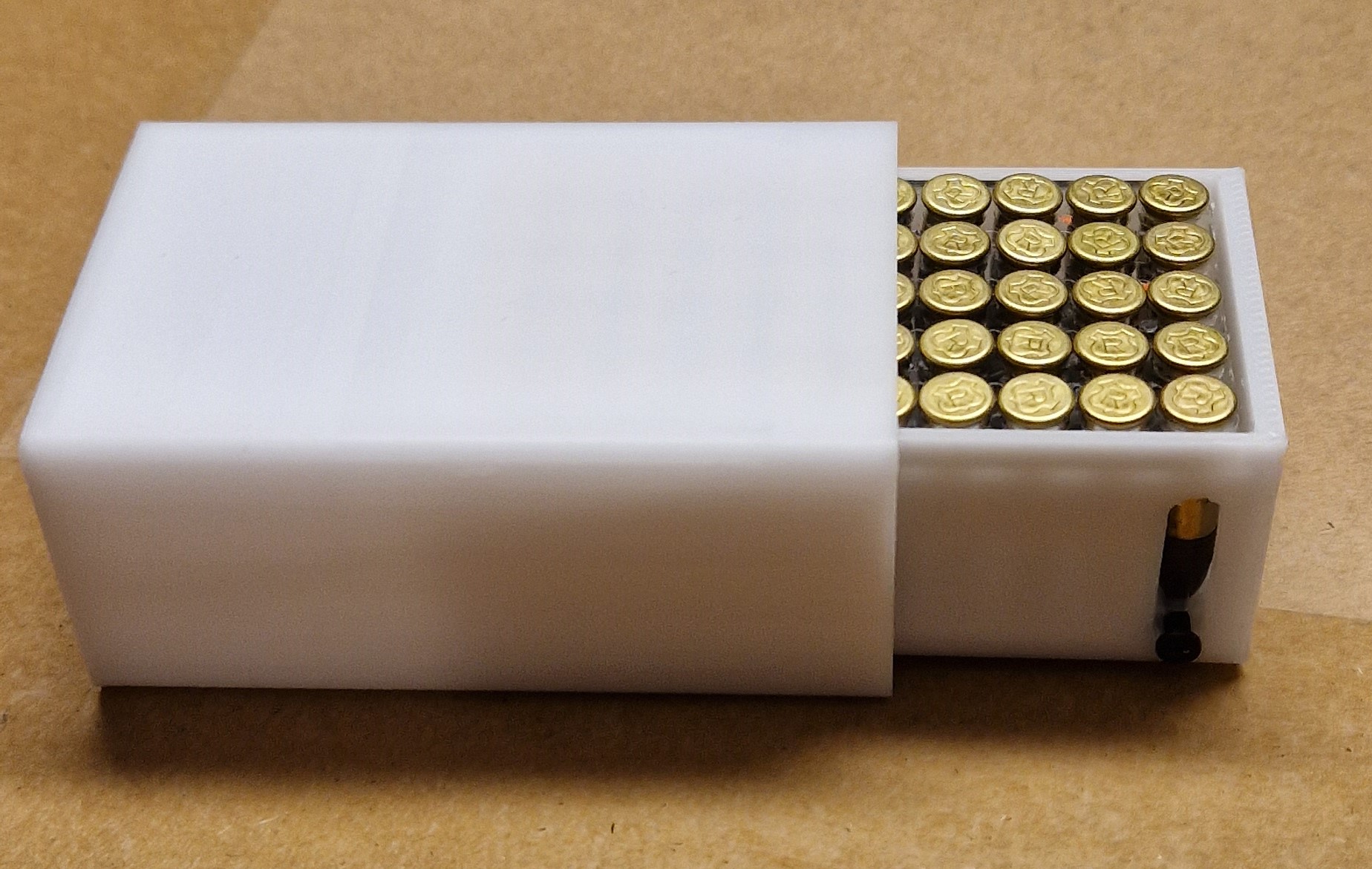
Cheap ammunition’s reliability over years hinges entirely on defeating moisture, since budget primers and cases corrode faster than premium variants. Store rounds in sealed, airtight metal or thick plastic ammo cans with a desiccant pack—silica gel works—and never trust factory cardboard. Keep the cans in a cool, dark place with stable temperatures, like a basement or interior closet; avoid attics or garages where thermal cycling forces condensation inside the cases. Squeeze out as much air as possible before sealing, because humid air trapped in the can is the real enemy. Rotate your stock annually, shooting 7.62x54R Ammo for Sale the oldest first, so no round sits static for a decade. Add a thin coat of corrosion inhibitor on the case exteriors, especially for steel-cased surplus, but skip oil on the primers. Your cheap rounds will outlast your expensive ones if you treat their storage with more discipline than you spent buying them.
Ideal Temperature, Humidity, and Container Choices to Prevent Corrosion and Misfires
For cheap ammunition, the ideal storage environment demands a stable temperature between 55–70°F; avoid extreme heat that degrades propellant or cold that induces condensation. Relative humidity must stay below 40%, as moisture accelerates primer corrosion and case oxidation, leading to misfires. Container choices that prevent corrosion and misfires include sealed military-style ammo cans with rubber gaskets, paired with silica gel desiccant packs to absorb residual moisture. Adding a hygrometer inside the container lets you verify humidity levels without opening the seal repeatedly. For long-term storage, avoid soft cases or cardboard, which wick humidity; instead, use airtight plastic or metal containers, checking desiccant annually for saturation.
Q: What is the ideal temperature and humidity range to prevent corrosion and misfires in cheap ammunition?
A: Maintain 55–70°F and under 40% relative humidity, using a sealed ammo can with desiccant to achieve these conditions.
Rotating Your Stockpile to Use Older Ammo First Without Wasting a Single Round
Rotating your stockpile ensures every cheap round gets fired before age-related degradation, yet you never lose a single cartridge to specialty sports & supply neglect. Adopt a strict “first-in, first-out” system: when you buy new bulk ammo, place it behind older boxes in your storage container, so your hand always reaches for the oldest rounds first. Write the purchase date on each box with a permanent marker, and during range trips, deliberately grab those dated boxes before any newer ones. This methodical rotation keeps your investment shooting reliably and prevents the disappointment of discovering corroded primers or weakened powder years later. You maximize value from budget ammunition by using it while still in its prime, leaving zero rounds wasted to time.
Rotating your stockpile to use older ammo first directly protects your wallet from silent degradation that cheap rounds suffer over years. Make it a habit: every time you add new ammunition to your stash, physically move the old boxes to the front. When you head to the range, commit to finishing one older box entirely before cracking open a fresh one. This simple discipline guarantees that no cartridge sits forgotten in the back of a cabinet, and you’ll never find yourself tossing out tarnished or unreliable rounds that could have shot perfectly fine a year earlier. Your future self—and your shooting budget—will thank you.
Q: How do I rotate my stockpile without accidentally mixing rounds from different batches?
Use clear, sealable ammo cans or labeled cardboard boxes, and always keep the oldest batch on top or in a designated “shoot next” tray. When you grab a box, check the date mark you wrote on it—if it’s older than every other box in your stash, it goes to the range first. Never dump loose rounds into a shared bin; keep each purchase segregated, so you always know exactly which batch is oldest and can fire it completely before touching newer ones.
Common Misconceptions About Low-Cost Ammo That Could Cost You More
The biggest misconception about cheap ammunition is that “it’s all the same,” leading shooters to ignore reliability testing. Low-cost rounds often use harder primers or inconsistent case dimensions, which can cause light primer strikes or feed failures in your specific firearm—malfunctions that cost you match time or defensive confidence. Another falsehood is that overpressure signs only appear with hot loads; budget ammo can have wildly varying powder charges, even within the same box, risking bulged cases or accelerated extractor wear. Similarly, assuming accuracy loss is solely about bullet weight ignores that cheap projectiles often have uneven jackets, creating fliers. The real expense isn’t the round—it’s the misfire clearing drill or the ruined barrel from a squib load you didn’t check for. Always cycle a sample batch and inspect spent brass before trusting budget boxes for serious use.
When Light Recoil Loads or Steel-Cased Rounds Are Perfectly Fine for Your Gun
Light recoil loads, often marketed as practice or “soft” ammunition, are perfectly fine for your gun because they generate less slide velocity and impact stress, making them ideal for diagnosing cycling issues without beating up the frame. Similarly, steel-cased rounds can be perfectly fine for your gun when the chamber is clean and the extractor is strong, since the lacquered or polymer-coated steel expands less than brass and may leave residue that simply requires more frequent cleaning. You should only avoid them if your firearm has a tight match-grade chamber or a weak extractor, which can cause stuck cases. For plinking and training, these options reduce cost without causing premature wear:
- Verify your gun’s manual explicitly permits steel cases (most modern designs do).
- Run a box of light loads first to confirm reliable ejection and lock-back.
- Clean the chamber every 200 rounds to prevent carbon buildup from steel’s lower Ammo Cans & Storage for Sale lubricity.
- Reserve full-power brass loads for defensive carry, not for range practice.
How to Clean Your Barrel After Shooting Inexpensive Ammo to Maintain Accuracy
Shooting inexpensive ammo often means dealing with fouling that can quietly erode your rifle’s precision, so a disciplined cleaning routine is your first line of defense. Immediately after your range session, run a solvent-soaked patch through the bore to break loose carbon and copper residue, which cheap rounds tend to deposit heavily. Let the solvent dwell for five minutes, then scrub with a bronze brush in one direction to push debris out, never back-and-forth. Follow with dry patches until they emerge pristine, then lightly oil the bore to prevent rust. For stubborn lead fouling common in budget loads, use a lead-removal cloth wrapped around a jag. Maintaining accuracy with budget ammunition hinges on this consistent, post-shot care, preventing buildup from distorting your bullet’s flight path next time.